


Article: How Much Wax Do I Need?
How Much Wax Do I Need?
How much wax will you need for your project?
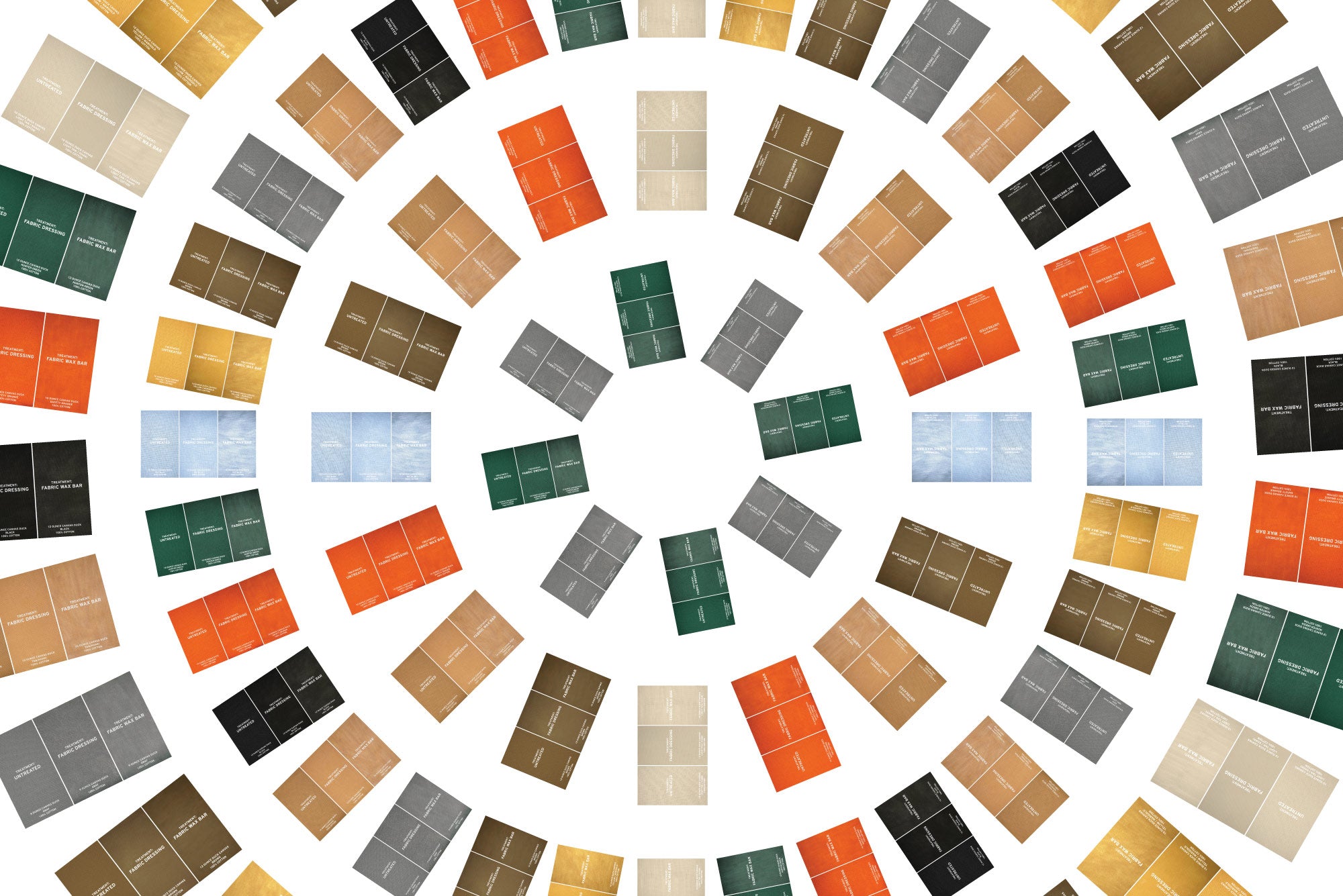
The honest answer is: it depends on your fabric. Coverage varies significantly based on the weight and porosity of your material, whether it has been previously waxed or treated, and how thoroughly you want to saturate the fibers. A heavy, untreated canvas will absorb considerably more wax than a thin oilcloth that is already partially saturated from a factory treatment.
Use the guide below as a starting point. When in doubt, size up — running out of wax mid-project means uneven coverage, and uneven coverage means inconsistent water repellency.
Step 1: Understand Your Fabric
Before choosing a product or size, identify what you are working with.
Heavy or untreated fabric — raw canvas, duck cloth, denim, heavy cotton, and any fabric that has never been waxed or treated. These materials are highly porous and will absorb significantly more wax per square yard. Always assume higher consumption and plan accordingly.
Previously waxed or factory-treated fabric — waxed canvas jackets, oilcloth, duckback fabrics, and any item that was waxed at the factory or has been treated before. These materials are already partially saturated, so they require less wax to reproof. Coverage goes further.
Step 2: Choose Your Product
Otter Wax makes two different fabric wax products, and they are not interchangeable. Choose the one that fits your project and your preferred application method.
Heavy Duty Fabric Wax Bar — A solid wax bar applied by rubbing directly onto the fabric surface. Friction from the bar generates light heat that softens the wax and allows it to spread into the top layer of fibers. This method gives you direct control over where the wax goes and how much is applied. Best for jackets, bags, hats, boots, spot repairs, and any project where you want precise, hands-on application.
Heat-Activated Fabric Dressing — A wax dressing that is gently melted and applied in liquid form, allowing it to absorb more deeply into the fabric for a matte, even finish. Because it penetrates further into the weave, it is especially well suited for large surface areas, heavily worn items, and full re-waxing projects where thorough saturation is the goal. Applied with a brush, cloth, or by hand while warm.
Step 3: Estimate Your Coverage
These are approximate coverage estimates based on mid-weight untreated canvas as the baseline. Heavier fabrics will yield less coverage. Lighter or previously treated fabrics will yield more.
Heavy Duty Fabric Wax Bar
Size |
Mid-Weight Untreated Canvas |
Thin or Factory-Treated Oilcloth |
Regular Bar — 2.25 oz |
~⅓ Yard |
~½ Yard |
Large Bar — 5 oz |
~1.5 Yard |
~2.5 Yard |
Heat-Activated Fabric Dressing
Size |
Mid-Weight Untreated Canvas |
Thin or Factory-Treated Oilcloth |
8 oz Tin |
~1 Yard |
~2 Yard |
16 oz Tin |
~2 Yard |
~4 Yard |
Step 4: Match Your Project to the Right Size
Spot repairs, small bags, hats, and canvas shoes — The Regular Bar (2.25 oz) is a good fit for small, targeted applications. It is also a practical size to keep on hand for touch-ups and field repairs.
Jackets, medium bags, and single mid-sized items — The Large Bar (5 oz) is the right starting point for most jacket-sized projects on mid-weight canvas. For heavier or thicker fabric, consider buying two.
Full garment re-waxing, large packs, or multiple items at once — The 8 oz or 16 oz Heat-Activated Fabric Dressing gives you more material to work with and a more thorough, even saturation. If you are re-waxing a full jacket or coat in heavy canvas, the 16 oz tin gives you the coverage to do it properly without rationing.
Large yardage projects — upholstery, tents, tarps, or custom goods — Use the 16 oz Fabric Dressing and plan for multiple tins depending on fabric weight. Untreated heavy canvas at this scale will consume more wax than the estimates above.
A Note on Re-Waxing vs. First-Time Treatment
If you are re-waxing a garment that has been waxed before — whether by the factory or by a previous application of Otter Wax — your fabric is already partially saturated and you will use significantly less product than these estimates suggest. The wax is topping up what is already there, not building from scratch.
If you are treating a fabric for the first time, especially a raw or unwashed canvas, expect the fabric to absorb more than you anticipate. A thorough first treatment pays dividends in durability and water repellency for years.
Still Not Sure?
Start with a test area. Apply wax to a small, hidden section of your fabric — ideally a seam allowance or interior panel — and assess coverage and absorption before committing to the full project. This takes five minutes and eliminates any guesswork.
We know that this is a lot of information and introduces a lot of variables, but if you still have unanswered questions just give us a call! We've been doing this for a long time and we've seen just about every type of waxing project you can imagine. We've got a wealth of knowledge and are always eager to share it with our customers.
CONTACT US

Written by Otter Wax